
Magnesium Glycinate
Disclaimer: The information on this page is for educational purposes only and doesn't constitute medical advice. Please consult your GP or a qualified healthcare professional before starting any new supplement, particularly if you're pregnant, breastfeeding, taking prescription medication, or managing a health condition.
Sleep, Calm & Nervous System Support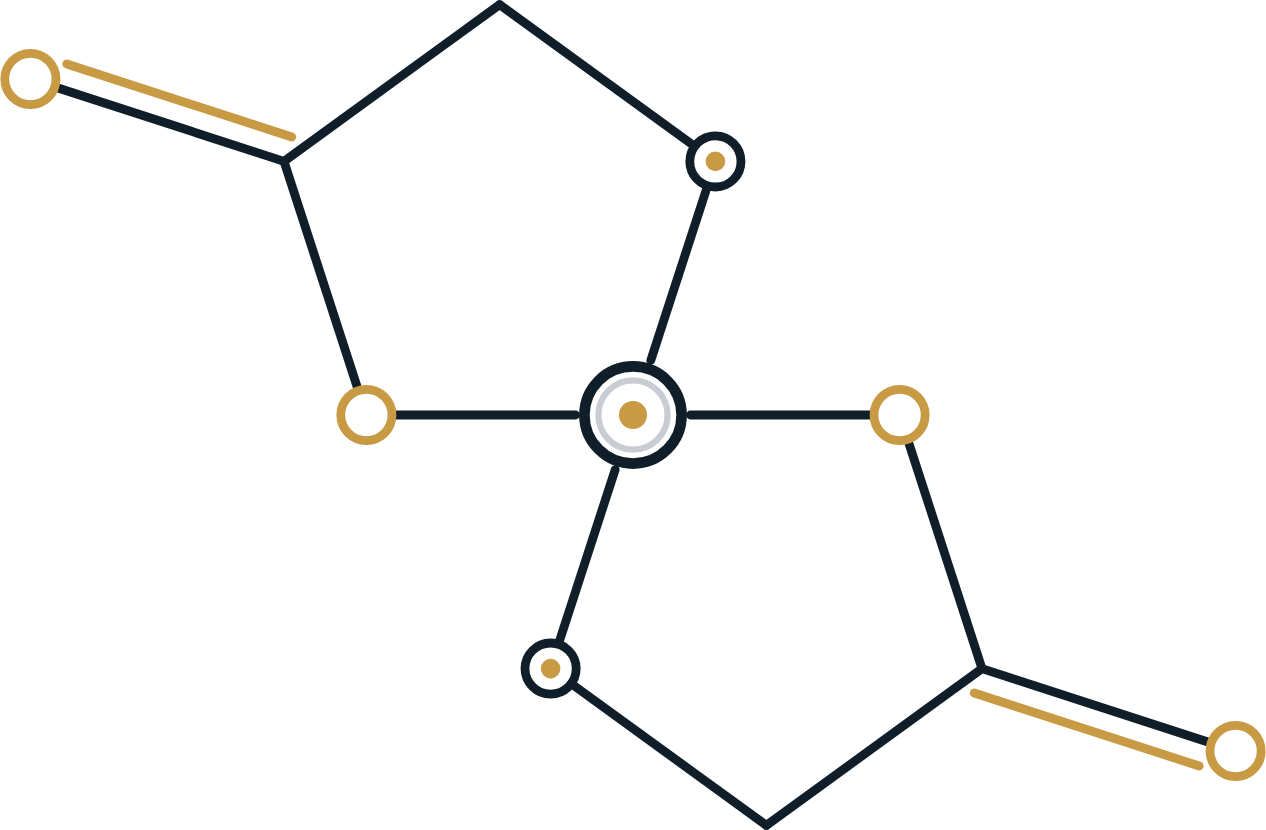
So you're here because...
Are you struggling with poor sleep, waking up in the middle of the night, experiencing muscle cramps, or just feeling a general sense of being "wound up" and unable to switch off?
These are among the most common things people accept as "just part of getting older." But they don't have to be — and there is often a simple, well-understood reason behind them.
What we recommend, and why
We recommend Magnesium Glycinate by "Nature Provides" — specifically the TRAACS-certified form from Albion Minerals.
Magnesium is involved in over 300 processes in the human body. It regulates your nervous system, muscle function, sleep, mood, and energy production. It's one of the most fundamental minerals we need, yet deficiency is remarkably common. Studies suggest the majority of UK adults aren't getting enough from diet alone, and that gap naturally widens as we age.
Why it's part of our range: feeling tense, "wound up" or unable to switch off is one of the things people ask us about most, men and women alike, and for women, perimenopause and menopause can add to that. Magnesium contributes to normal psychological function and to the normal functioning of the nervous system.
Why the form matters (and why your last one didn't work)
Most people buying magnesium from a supermarket or high street chemist don't realise that there are several different forms, and they are definitely not equal:
Magnesium oxide: the most common form found in cheap, budget supplements. It's largely insoluble, meaning your body cannot absorb it properly. Instead, it draws water into your bowel and acts as a laxative. You aren't actually supplementing your magnesium; you're just giving yourself an upset stomach.
Magnesium citrate: better absorbed than oxide, but it still commonly causes loose stools at effective doses, as it retains a laxative effect for many people.
Magnesium malate or taurate: reasonably well absorbed and sometimes marketed for energy or heart health specifically, but not particularly suited to sleep and calm.
Magnesium glycinate (or bisglycinate): the form we recommend. It's chemically bonded to a calming amino acid called glycine, which allows your body to absorb it fully without any of the digestive side effects the other forms carry.
If you've tried a magnesium supplement in the past and it upset your stomach or didn't seem to do much, there's a very high chance it wasn't the glycinate form.
Verified Form: "Nature Provides" — TRAACS Magnesium Glycinate (Albion Minerals)
Why the certification actually matters
TRAACS is the globally recognised gold standard for mineral supplements. In this specific form, the magnesium is tightly bonded to two molecules of glycine. Your body recognises this organic bond and absorbs it via dedicated amino-acid pathways, rather than competing with other minerals for standard absorption routes. This means genuine absorption and real effects with zero stomach discomfort.
Furthermore, the glycine itself has a natural, calming effect on the nervous system. It acts as a soothing brain messenger (an inhibitory neurotransmitter) that helps lower your core body temperature and prepare your mind for sleep. The glycinate form isn't just better absorbed — it actively helps you wind down.
Do you need to take anything else alongside it?
No. You may have seen magnesium sold in blends alongside Vitamin D3 or K2 and wondered if you need those too. For magnesium glycinate specifically, the glycinate bond handles the absorption entirely on its own. It stands alone perfectly, which is why we recommend it cleanly without unnecessary additions.
How to take it
Timing: take your magnesium in the evening, roughly 30 to 60 minutes before bed. This belongs at the very end of your day rather than the start — the glycine element begins its calming work within an hour to prepare your brain for deeper sleep.
With or without food: you can take it simply with water, a cup of herbal tea, or a small evening snack. Food isn't strictly required, so choose whichever fits your evening routine best.
Worth knowing
Medication spacing: avoid taking your magnesium at the exact same time as antibiotics or thyroid medications (specifically Levothyroxine), as magnesium can bind to these drugs and reduce how well they're absorbed. Space them at least four hours apart.
Other minerals: taking high doses of zinc, iron, or calcium at the exact same time can cause them to compete for the same absorption pathways. It's best to space these other minerals out through the day.
Kidney health: magnesium is filtered and excreted via the kidneys rather than stored heavily in body tissue, so it doesn't build up to harmful levels in healthy adults. The exception is severe kidney disease, where impaired clearance can cause magnesium to build up. If you have kidney problems, please speak to your GP before starting.
Restless legs: we're often asked whether magnesium helps with restless legs syndrome. The honest answer is that the research so far is mixed, mostly used other forms of magnesium, and isn't strong enough for us to recommend it for that. Restless legs is a recognised medical condition that's too often overlooked, so it's well worth speaking to your GP, particularly as low iron is one known cause and can be checked with a simple blood test. The charity RLS-UK (rls-uk.org) also offers helpful information and online support groups.
Patience: this is one of the faster-acting products in our range. Many people notice improved sleep quality and a calmer feeling before bed within the first few days to a week. Muscle tension and cramps often respond quickly too, while broader improvements to mood tend to build over 2 to 4 weeks of daily use.
Do you need to take a break?
No strict cycling is required. Magnesium is a mineral your body needs continuously, and daily use is the right approach. Some people like to follow a "five-days-on, two-days-off" rhythm to slightly optimise how their gut resets its absorption, but this is a personal refinement rather than a necessity.
Price & where to buy
£22.71 (around £22.71 a month, one bottle lasting 30 days at 4 capsules a day)
Acevia is a participant in the Amazon Associates programme. If you buy through this link, we may earn a small commission at no extra cost to you — this never affects which products we choose to recommend. Prices and monthly costs shown were correct at the time of writing but may change — always check the current price on Amazon before you buy.
Verified for purity & price: 30 October 2026
A note on results
Everyone responds differently to supplements. We can't promise what this will do for you specifically — only that it meets our sourcing standard.
Before you begin, it's well worth reading our guide on things that can affect how your body absorbs supplements
Track it yourself
Since everyone responds differently, we'd suggest keeping a simple note of how you feel over the first few weeks — sleep quality, muscle tension or cramps, and general calm. It's the easiest way to know if something's actually working for you, not just whether you hope it is.